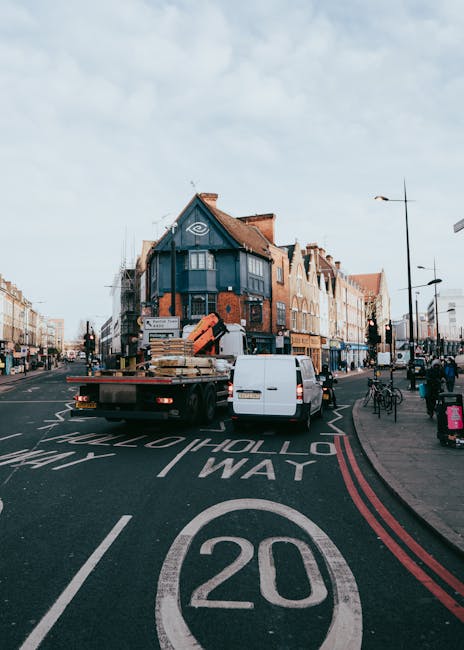
Insured removals Harrow Weald licensing and safety
If you are planning a move in Harrow Weald, you will want more than a van turning up on time. You want proof that the team handling your belongings is properly insured, works to sensible safety standards, and understands the practical side of local removals. That is really what insured removals Harrow Weald licensing and safety is about: reducing risk, protecting your property, and making the whole day feel a lot less stressful.
It sounds straightforward, but there is a fair bit going on behind the scenes. Insurance cover, vehicle suitability, staff training, manual handling, parking, access, and the way a removal company plans the move all matter. Miss one of those pieces and a simple move can get messy very quickly. In this guide, we will walk through what the topic means, why it matters, how to check a provider properly, and what good practice looks like in the real world.
One thing worth saying up front: a professional-looking website alone is not enough. The right question is not just "Do they say they are insured?" but "What exactly is covered, how do they manage safety, and do they operate in a way that suits your move?" Let's break that down properly.
Contents
- Why insured removals, licensing and safety matter
- How the process works in practice
- Key benefits and practical advantages
- Who this is for and when it makes sense
- Step-by-step guidance
- Expert tips for better results
- Common mistakes to avoid
- Tools, resources and recommendations
- Law, compliance, standards and best practice
- Options, methods and comparison table
- Case study or real-world example
- Practical checklist
- Conclusion
- Frequently asked questions
Why Insured removals Harrow Weald licensing and safety Matters
Moving home or business premises always involves a bit of friction. Boxes get stacked in awkward places. Doors are narrower than you remember. Weather turns from dull to wet just as the mattress comes outside. And in a place like Harrow Weald, with local roads, parking pressure, and mixed property layouts, the margin for error can shrink fast.
That is why insurance and safety are not box-ticking extras. They are part of the job itself. If a company is insured, there is a clear framework for handling accidental damage, public liability issues, and certain risks that can arise during loading, transport, and unloading. If the team works safely, there is less chance of injury, damage, or delays that snowball into a long, expensive day.
Licensing is the other side of the picture. In removals, people often use "licensing" loosely to mean several things: whether the operator is properly registered to trade, whether vehicles are road legal and insured, whether waste disposal rules are followed where relevant, and whether the company works in line with transport and safety expectations. It is not glamorous. But it matters.
Truth be told, most people only think about these things after something has already gone wrong. A scratched floor, a broken lamp, a cancelled slot because the vehicle was not suitable, or a team member straining their back on a heavy item. Better to think about it before the first box leaves the hallway.
Expert summary: A trustworthy removal service should not only move your possessions, but also show how it protects them, its team, your property, and everyone involved in the move. Insurance and safe working practices are not add-ons; they are the foundation.
How Insured removals Harrow Weald licensing and safety Works
In practical terms, a good insured removals service follows a fairly disciplined process. It starts before moving day. The company should ask questions about access, volume, fragile items, stairs, parking, and any awkward furniture. That information helps them choose the right vehicle, crew size, and equipment.
From there, the safety side kicks in. Team members should use proper lifting technique, suitable equipment such as trolleys, blankets, straps, and protective wraps, and a sensible loading plan. Heavier items should be secured so they do not shift while the van is in motion. Fragile pieces should be separated and protected. If there is a piano, a big wardrobe, or a narrow staircase, the plan may need adjusting. Not everything is a two-person carry, even if it looks that way at first glance.
On the insurance side, the provider should be able to explain the cover in plain English. You should know whether the policy covers goods in transit, public liability, and any exclusions. Some items may need special handling or additional declarations. That does not mean the service is poor. It just means you need clarity. A decent removals company should be comfortable explaining the boundaries, not dancing around them.
When licensing or registration is relevant, the company should be able to show that it operates legitimately and maintains the right paperwork for vehicles, business activity, and any specialist services it offers. If they also handle packing materials, disposal, or clearance, those activities may have their own expectations too. It is worth checking rather than assuming everything sits under one umbrella.
For a broader view of service standards and what a trustworthy provider should disclose, you can also review the company's own insurance and safety information alongside its health and safety policy. That is usually where the practical detail lives.
Key Benefits and Practical Advantages
There are obvious benefits to using an insured, safety-conscious removals service. There are also a few less obvious ones that people only notice on moving day.
- Reduced risk of loss or damage: Proper cover and careful handling lower the chance of an expensive surprise.
- More confidence on the day: You are not guessing whether the crew knows what it is doing.
- Better protection for property: Floors, doors, bannisters, and walls are less likely to take a hit.
- Fewer delays: Safe planning helps avoid avoidable setbacks, especially with access or parking constraints.
- Clearer accountability: If something does go wrong, there is a process for dealing with it.
- Less physical strain on you: Professional handling means fewer awkward carries and fewer "we can do it ourselves" regrets.
There is a comfort in knowing the basics are covered. You still have the chaos of moving, of course, but it becomes manageable chaos. That is a very different thing.
Safety also improves the pace of the move. Good movers are rarely the ones rushing around wildly. They are the ones who move with purpose, keep the route clear, and make decisions before lifting rather than halfway through. It looks calm because it is organised. That calmness is worth paying attention to.
Who This Is For and When It Makes Sense
This matters for almost anyone moving in Harrow Weald, but some people benefit more than others.
If you are moving a family home with furniture, fragile items, and a tight timetable, insured removals are almost essential. If you are a tenant moving out of a flat, you may be juggling stairs, lift bookings, landlord requirements, and deposit concerns. If you run a business and need a commercial move, the stakes climb again because downtime affects staff and customers.
It also makes sense if you have any of the following:
- Bulky furniture that needs dismantling or careful manoeuvring
- High-value items such as artwork, electronics, or specialist equipment
- Limited parking or restricted access
- Shared entrances, narrow stairwells, or top-floor flats
- A same-day or time-sensitive move
- Special concerns about floors, walls, or building rules
If you are only shifting a few light boxes, a smaller service may be enough. But once you add heavy items, traffic restrictions, or a valuable load, the case for proper insurance and safety procedures becomes much stronger. Frankly, it stops being optional pretty quickly.
For people comparing service types, it can also help to read about man and van options, full house removals, or broader removal services. The right choice depends on the size and complexity of the move, not just the price tag.
Step-by-Step Guidance
If you want to check whether a removals provider is genuinely suitable, work through the process in a calm, methodical way. No need to overcomplicate it.
- Ask what insurance is included. Request a plain-English explanation of goods-in-transit cover, public liability, and any exclusions.
- Check how they assess risk. A good company will ask about stairs, access, parking, and awkward items before giving firm advice.
- Confirm vehicle suitability. The van or truck should match the volume and weight of your belongings. Too small and the day drags; too large and you may be paying for unnecessary capacity.
- Ask about safety equipment. Look for straps, blankets, dollies, ramps, gloves, and floor protection where needed.
- Review booking details carefully. Start time, address, access notes, and what is included should all be clear.
- Clarify packing responsibility. If you are packing yourself, make sure breakables are protected properly. If the company is packing, confirm how they handle fragile goods.
- Discuss parking and access early. This is where local moves can go sideways. It is worth the awkward conversation now rather than on the day.
- Keep a simple inventory. A short list of major items helps everyone stay aligned.
- Walk the property before and after. Quick visual checks at both ends help identify issues while everyone is still on site.
A small detail makes a big difference here: label rooms, not just boxes. "Kitchen" is more helpful than "misc." You will thank yourself later, probably while standing in a half-empty hallway with a kettle in one hand and no idea where the mugs went.
Expert Tips for Better Results
Experienced movers tend to care about the boring stuff. And that is usually the good sign.
First, book with enough lead time if you can. A rushed booking is where misunderstandings creep in. If the company has time to ask questions, they can plan better. That usually means fewer surprises and a smoother load-out.
Second, be honest about awkward items. If that sofa barely made it in when you moved in, say so. If there is a box room with tight angles, mention it. Nobody benefits from optimism that turns into a stuck wardrobe at 8:30 in the morning.
Third, protect the path through the property. A runner mat, cardboard sheets, or floor protection may be sensible in some homes, especially where carpets or polished flooring are involved. Ask the company what they usually do.
Fourth, keep essentials separate. Documents, chargers, medication, a change of clothes, and keys should not be buried at the bottom of a load. That is just asking for trouble.
Fifth, pay attention to communication style. If the company answers safety and insurance questions clearly, that is a good signal. If they are vague, defensive, or oddly impatient, that tells you something too.
There is also a good reason to look for providers who talk openly about their wider working practices. A company that publishes its pricing and quotes approach, for example, is often more transparent in other areas as well. Transparency tends to travel.
Common Mistakes to Avoid
A lot of moving problems come from the same few mistakes. None of them are dramatic on their own, but together they can turn a moving day into a headache.
- Choosing on price alone: The cheapest quote is not always the safest or best prepared.
- Assuming "insured" means everything is covered: It rarely does. You need to know the scope of cover.
- Forgetting to mention access issues: Narrow roads, flight of stairs, parking restrictions, or a long carry should be declared early.
- Not checking the policy wording: Insurance details matter. They are not just admin fluff.
- Poor packing: Weak boxes and loose items create avoidable damage.
- Leaving fragile items unmarked: If something needs extra care, say so clearly.
- Ignoring timing pressure: Last-minute rushes lead to careless decisions.
One more thing people sometimes forget: safety is not only about the movers. It is also about you, your family, and anyone else in the property. Keep children, pets, and bystanders out of the loading path where possible. It sounds obvious, but on a busy morning it is easy to miss.
And yes, the cat will almost certainly choose the worst possible moment to sit in a box. Nature finds a way.
Tools, Resources and Recommendations
You do not need fancy kit to move well, but the right tools make a real difference. A professional removals team will often bring the following:
- Protective blankets for furniture and white goods
- Straps and ties to secure loads in transit
- Hand trucks or dollies for heavier items
- Ramps for safer loading where relevant
- Wardrobe cartons for clothing that should stay hanging
- Floor and door protection to reduce scuffs and chips
- Labels and inventory sheets to keep the move organised
On the planning side, it helps to keep a simple moving folder, digital or paper. Include your booking confirmation, contact details, inventory notes, parking arrangements, and any building instructions. If there are special instructions for access or lift use, put them somewhere obvious. Do not hide them in an email thread you will never find again. We have all done it once.
If you are comparing options for a move that includes packing or heavier household items, pages on packing and unpacking services and removals can help you understand what is included and what support you may need.
Law, Compliance, Standards and Best Practice
For removals in the UK, the legal and compliance picture can vary depending on the exact service being offered. That is why careful wording matters. In general, a professional provider should operate in line with road traffic rules, business insurance requirements, health and safety obligations, and any relevant waste or disposal rules if it is also handling clearance work.
Where employees are involved, the business should have sensible workplace safety procedures. That includes safe lifting, vehicle loading discipline, equipment maintenance, and reasonable steps to protect staff and customers. If the company is dealing with goods storage, specialist transport, or disposal, additional expectations may apply. The details vary, so it is wise not to assume.
From a consumer point of view, the most practical test is simple: does the company explain what it does, what it covers, and what it expects from you? A transparent business is usually easier to trust. It should also have accessible policy pages and clear contact details, which is one reason people often check pages like terms and conditions and the complaints procedure before booking.
If something feels unclear, ask. A proper removals company would rather answer an extra question than deal with avoidable confusion later. That is just common sense, really.
Options, Methods, and Comparison Table
Not every move needs the same level of service. Here is a simple comparison to help you think it through.
| Option | Best for | Insurance and safety focus | Typical practical note |
|---|---|---|---|
| Man and van | Small moves, a few items, lighter loads | Still needs clear cover and careful lifting | Good for flexibility, but check vehicle space and handling limits |
| Full house removals | Whole-home moves and family relocations | Usually more structured planning and broader protection | Often better where stairs, furniture, or time pressure are involved |
| Office removals | Business relocations and equipment transport | Extra attention to downtime, access, and asset protection | Best with a detailed schedule and item list |
| Furniture-only move | Single large items or partial loads | Important to confirm how each item is protected | Helpful when buying, selling, or replacing furniture |
The right option depends on the mix of items, access, timing, and the level of risk you are comfortable with. If you are unsure, lean toward the service that gives you more clarity, not less. More structure is usually a good thing on moving day.
For commercial moves in particular, you may want to review commercial moves or office removals if your relocation includes desks, IT kit, or archive storage. The safety requirements tend to rise when business equipment is involved.
Case Study or Real-World Example
Here is a realistic example from the sort of move people often underestimate.
A couple in Harrow Weald were moving from a first-floor flat into a semi-detached house nearby. On paper, it looked simple enough: a sofa, bed, dining table, a few appliances, and around thirty boxes. The catch was the parking. The street was narrow, and the lift at the flat was not available for part of the morning.
Because the removal company asked the right questions early, the move was planned with a smaller vehicle, a two-person crew, and a staggered loading approach. Furniture was wrapped, the hallway floor was protected, and heavier pieces were moved with straps and a trolley. They also discussed insurance in advance, which gave the customers confidence before a single item moved.
What made the difference was not speed. It was preparation. The move still took the best part of a morning, and there was a brief pause when a wardrobe needed to be angled carefully through the stairwell. Nothing dramatic. Just one of those moments where everyone goes quiet for a second and then, thankfully, it fits.
That is the point. Good removals work often looks a bit uneventful from the outside. That is a compliment, by the way.
Practical Checklist
Use this checklist before you book and again before moving day.
- Confirm what insurance cover is included
- Ask whether goods-in-transit and public liability cover are in place
- Check that the company can explain any exclusions clearly
- Share full details of stairs, parking, access, and awkward items
- Ask what safety equipment the team will bring
- Confirm start time, arrival window, and estimated duration
- Label fragile items and set them aside early
- Keep essentials, valuables, and documents with you
- Protect floors, doors, and tight corners where needed
- Do a quick walk-through before the vehicle leaves
If you want a closer look at related planning topics, the company's parking permits and local removals guidance and its guide to avoiding hidden removals charges are both useful complements to this topic. Local moves often live or die on those details.
Get a free quote today and see how much you can save.
Conclusion
Insured removals in Harrow Weald are not just about moving boxes from one place to another. They are about reducing risk, protecting your belongings, and making sure the job is handled with proper care from start to finish. Licensing, insurance, and safety all work together. Leave one out and the whole arrangement becomes weaker than it should be.
If you take nothing else from this guide, remember this: ask clear questions, expect clear answers, and do not be embarrassed to check the details. A reliable removals company will welcome that. In fact, they should. It shows you care about a well-run move, and that is exactly the right mindset.
Done well, a move feels organised, calm, and manageable, even if there is a bit of dust in the air and a kettle missing for an hour. That is life. But with the right preparation, it becomes a lot easier to breathe through it.
Frequently Asked Questions
What does insured removals mean in Harrow Weald?
It means the removals service has insurance in place to help protect against certain risks during the move, such as accidental damage or liability issues. The exact cover varies, so it is worth asking for a plain-English explanation before you book.
Why is safety such a big issue in house removals?
Because moving heavy furniture and boxed belongings creates real physical risk. Good safety practice helps protect the crew, your property, and your items. It also reduces the chance of delays, which everyone appreciates on moving day.
Do I need to check the company's licence?
You should check that the business is operating legitimately and that its vehicles, insurance, and working practices are in order. "Licence" can mean different things depending on the service, so ask what applies to your move rather than assuming.
What insurance should a removal company have?
At a minimum, many customers look for goods-in-transit cover and public liability cover. Some jobs may need more specific arrangements. The important thing is not the label alone, but whether the cover fits your move.
How do I know if a removals company is safe to use?
Look for clear answers about lifting methods, equipment, access planning, and insurance. If the team asks sensible questions about your property and the route through it, that is usually a good sign.
Is a man and van service enough for a small move?
Sometimes, yes. For lighter or smaller moves, a man and van service can be a practical option. Just make sure the vehicle size, handling approach, and insurance are still appropriate for what you are moving.
What should I ask before booking removals in Harrow Weald?
Ask about insurance, access, parking, crew size, equipment, packing help, and what happens if the move takes longer than expected. Clear questions now save awkward surprises later.
Are there special safety concerns for flats and maisonettes?
Yes. Stairs, narrow landings, shared entrances, and lift access can all make a move more complicated. It helps to mention these details early so the company can plan the safest route.
How can I protect fragile items during the move?
Use sturdy boxes, plenty of padding, and clear labels. Separate fragile items from heavier loads and tell the movers what needs extra care. Glass, lamps, electronics, and ornaments are the usual trouble spots.
Should I choose the cheapest quote?
Not on price alone. A very low quote may leave out important service details, insurance clarity, or proper planning. Compare what is actually included, not just the headline figure.
What if something gets damaged during the move?
Report it as soon as possible and refer back to the booking details and insurance information. Good companies should have a clear process for handling issues, which is one reason it helps to read their policies in advance.
Can I use the same company for packing and removals?
Often, yes. Many people prefer a combined service because it keeps planning simpler and can reduce the chance of packing-related damage. If you are considering that route, ask exactly what the packing service includes and how fragile items are handled.