Parking permits Harrow Council removals Harrow Weald what to know
Posted on 08/07/2026
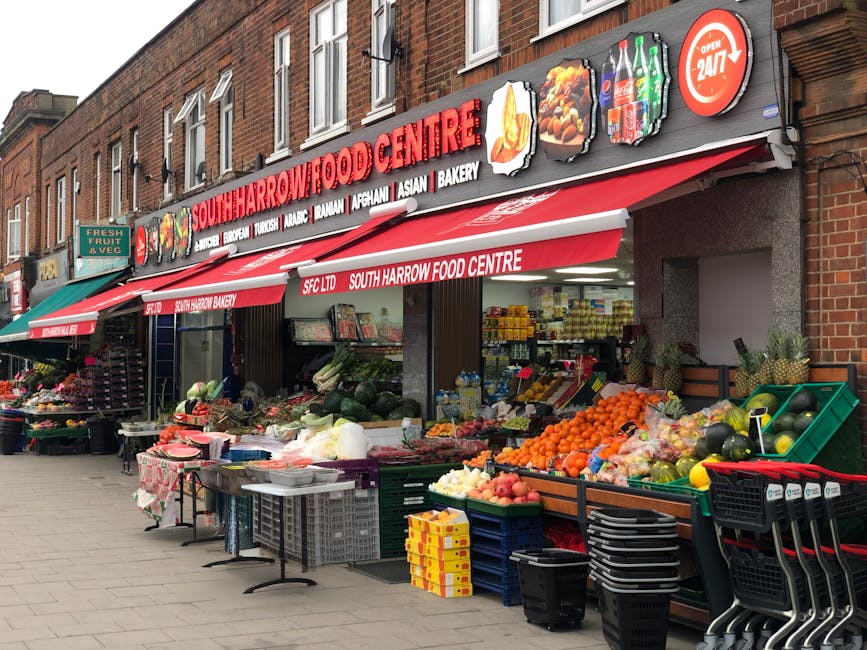
If you are planning a move in Harrow Weald, parking can make the whole day feel easier or, frankly, turn into a bit of a scramble. The phrase Parking permits Harrow Council removals Harrow Weald what to know sounds niche, but it is exactly the sort of detail that decides whether a removal van can park close to your door, unload safely, and keep the move on schedule. A missed permit, a tight bay, or a street full of residents' restrictions can cost time, money, and patience. The good news? Once you understand the basics, it becomes far more manageable.
In this guide, you will find a practical explanation of how parking permissions usually work, why they matter for removals, what to check before moving day, and how to avoid common mistakes. We will also cover useful planning tips, compliance best practice, and real-world scenarios that tend to catch people out. It is less about bureaucracy for its own sake and more about making the day run properly. And that is a relief, to be fair.
Why Parking permits Harrow Council removals Harrow Weald what to know Matters
Parking is not a side issue on moving day. It is one of the main moving parts, even though people rarely think about it first. A removals team may need to stop directly outside your property, sometimes for longer than a quick drop-off, because furniture, boxes, awkward corners, and heavy items all take time. If the van has to park far away, every trip becomes longer. That can mean more labour, more risk, and more stress for everybody involved.
In residential streets around Harrow Weald, parking can be tight, especially near busier roads, junctions, school-run times, or properties with limited frontage. In some cases, waiting for a space is not realistic. That is when a temporary permit, dispensation, or another approved parking arrangement can become essential. Without it, a move that looked simple on paper can suddenly feel like a puzzle with missing pieces.
There is also the neighbour factor. Nobody loves seeing a removal van blocking a driveway, sitting on a narrow road, or forcing others to reverse out awkwardly. Good parking planning helps keep the day calm and reduces complaints. That matters more than people expect. You are not just trying to satisfy a rule; you are trying to keep the move safe, civil, and efficient.
If you are also thinking about how to choose the right moving setup, our guide on real moving costs in Harrow Weald can help you see how parking and access decisions feed into the overall price.
How Parking permits Harrow Council removals Harrow Weald what to know Works
The exact process can vary depending on the type of road, the restrictions in place, and the size of vehicle involved. In simple terms, you are trying to establish whether the removal van can legally stop where it needs to stop, for long enough to do the job properly. That might involve a resident parking bay, a controlled parking zone, loading restrictions, yellow lines, or a permission to suspend a bay or allow temporary access.
Most people find it helpful to think in three layers:
- Is parking available? That means physically available and suitable for a removal vehicle.
- Is parking allowed? That means the road rules, bay rules, and loading rules all line up.
- Is parking practical? That means the van can be close enough for a smooth load and unload without blocking traffic or creating danger.
For some addresses, one or two of these may be fine while the third is a problem. For example, a road may technically allow parking, but only a small vehicle can fit safely. Or a loading area may exist, but not at the exact time your move is taking place. This is why removals teams often ask for postcode details and photos before the job. They are not being nosy; they are trying to avoid a mess on the day.
It also helps to understand that moving house and moving office may create different parking pressures. A flat move with shared access, for instance, may need shorter but more frequent unloading runs. By contrast, a house move with a full lorry-sized vehicle can need a much clearer stopping area. If you are comparing service types, the overview on services and move planning gives useful context.
And if you are arranging a tighter turnaround, you may also want to read same-day removal planning tips, because parking problems and timing problems love to show up together. Annoying, but true.
Key Benefits and Practical Advantages
Getting the parking side right may feel like admin, yet the upside is very tangible. A well-planned parking arrangement can improve speed, safety, cost control, and the overall mood of the day. That last one sounds soft, but it matters. A move with clear parking tends to feel more organised from the start, and everyone works better when they are not waiting around in the rain wondering where the van can legally stop.
- Less loading time: The closer the van is to the property, the fewer trips and the less walking.
- Lower risk of damage: Longer carries mean more chance of knocks on walls, door frames, or items themselves.
- Fewer delays: No circling for parking. No last-minute reshuffling. No awkward phone calls mid-move.
- Better safety: Clear stopping points reduce the chance of dragging heavy furniture across narrow paths or busy roads.
- More accurate pricing: When access is straightforward, quotes are often easier to keep stable.
One of the hidden advantages is predictability. If the driver knows exactly where the van can go, they can plan the sequence of loading much more confidently. That helps when you have fragile items, larger furniture, or a building with awkward access. If you are moving heavier pieces, such as sofas, wardrobes, or dining tables, it is worth pairing parking planning with careful packing. Our page on furniture removals in Harrow Weald is a useful companion piece.
There is also a trust angle. A customer who has clearly checked access and permissions looks prepared. That preparation tends to make the whole move smoother, especially if you are working with a removals team that values punctuality and safe handling.
Who This Is For and When It Makes Sense
This topic matters to almost anyone moving in Harrow Weald, but a few groups need to pay extra attention. If any of the situations below sound familiar, you will want to sort parking early rather than treat it as a day-of problem.
- People moving from flats or maisonettes: Shared entrances, narrow roads, and limited bay space can complicate access.
- Households on busy residential streets: Parking may already be in high demand, especially at certain times.
- Anyone with a large removal vehicle: Bigger vans and lorries need more space and more careful positioning.
- Office moves: Commercial removals often happen on tighter schedules and may need loading access around traffic flow.
- Last-minute movers: If you are using a fast-turnaround service, every delay matters more.
- People moving bulky or delicate items: Pianos, antiques, and large furniture really benefit from shorter carry distances.
If you are in a student move or a small flat move, you may assume parking is no big deal. Sometimes that is true. Sometimes it is not. A single missed bay restriction can turn a 20-minute load into an hour of circling and compromise the timetable. For smaller jobs, read up on student removals in Harrow Weald or flat removals in Harrow Weald if those better match your move.
And if your move involves a piano, the parking point becomes even more important because the load path needs to be safe and as short as possible. See piano removals in Harrow Weald for the kind of care those jobs usually demand.
Step-by-Step Guidance
Here is a practical way to approach it without getting lost in council jargon or phone-tag chaos.
- Check the property access first. Look at the road, kerb space, pavement width, and any obvious restrictions outside the property.
- Identify the type of restriction. Is it resident-only, pay-and-display, a loading bay, double yellow lines, or something else? Each has different implications.
- Estimate vehicle size. A man and van setup and a larger removal van do not need the same space. Be honest about what is coming.
- Ask your removals provider how they want access prepared. Some teams will want photos, a postcode check, or notes about road width and nearby obstacles.
- Decide whether a permit or dispensation is needed. If the parking picture is uncertain, act early rather than hoping for the best.
- Build in a time buffer. Even a small parking complication can slow loading at the start of the day.
- Confirm on the eve of the move. A quick final check can catch roadworks, suspended bays, or another vehicle taking the expected space.
A small but useful habit: stand outside the property for two minutes at the same time of day your move is planned. You will notice things that do not show up online. Traffic noise, school drop-offs, bin collections, vans from next door, that sort of thing. It is a tiny step, but it often tells the truth faster than a spreadsheet.
If you want a fuller view of how access affects service choice, our man and van Harrow Weald page explains why some moves are better suited to smaller vehicles, while others need a more structured setup.
Expert Tips for Better Results
Over time, the best moves are usually the ones where parking was treated as part of the plan, not a footnote. A few practical habits make a surprisingly big difference.
- Send clear photos early: A wide shot of the road, the front of the property, and any bay signs is often enough to spot issues early.
- Tell the team about awkward access: Steps, narrow hallways, slopes, and shared entrances affect the unload plan.
- Keep key items separate: If parking is a bit tight, you do not want to be hunting for medication, documents, or chargers in the last box.
- Plan for neighbour access: Leaving enough room for others to pass can save a lot of friction.
- Keep a backup spot in mind: Not ideal, but useful if the expected space is taken at the last minute.
Also, do not underestimate weather. Wet pavements, winter light, and early evening fading can all make a parking manoeuvre a little more awkward than it looked at 10am. Nobody enjoys carrying a sofa through drizzle while trying not to scuff a neighbour's wing mirror. Not exactly glamorous, is it?
If you are comparing providers, the page on removal companies in Harrow Weald can help you think about the kind of support and planning standards you should expect. For a broader understanding of how a professional crew should work, you can also browse removal services in Harrow Weald.

Common Mistakes to Avoid
The biggest errors are usually simple, which is exactly why they keep happening. No shame in that. But you can avoid a lot of trouble with a few honest checks.
- Assuming the van can "just park outside" without checking restrictions.
- Leaving permit questions until the morning of the move. That is the classic one.
- Not accounting for vehicle size. A space that suits a car may be useless for a removal vehicle.
- Forgetting about loading restrictions or temporary suspensions. A bay that looked available last week may not be today.
- Failing to brief the removals team. If they do not know the access constraints, they cannot plan around them.
- Ignoring nearby alternatives. Sometimes a legal loading point a few doors down is safer than forcing the issue directly outside.
Another frequent mistake is underestimating how a parking delay affects everything else. If the van arrives late or has to wait for a space, the whole schedule can slip. That may affect handover times, cleaners, or other appointments later in the day. One small delay, and the dominoes start falling.
A useful companion article is how to avoid hidden removals charges in Harrow Weald, because parking and access issues are one of the places where hidden costs often appear.
Tools, Resources and Recommendations
You do not need a complicated toolkit here. Mostly, you need clarity and decent communication. Still, a few things help.
- Street photos on your phone: Useful for sharing access details quickly.
- Printed move-day notes: Handy if your phone battery is doing that annoying low-power thing at the wrong moment.
- A list of building access details: Door codes, intercom notes, lift availability, and any time restrictions.
- Simple room labels: This is not directly about parking, but it reduces unloading delays once the van is in place.
- Flexible arrival window: The more rigid the schedule, the more a parking problem hurts.
If your move also involves packing, the support page on packing and boxes in Harrow Weald is useful for understanding how to reduce chaos at the point of loading. Better packing means faster unloading, and faster unloading means the van can clear the space sooner. That is the whole chain.
For people who want reassurance around handling standards, insurance and safety is worth reading before booking. Parking and safety are linked more tightly than most people think.
Law, Compliance, Standards, or Best Practice
Parking rules are one of those areas where you should be careful not to guess. Local restrictions, permit conditions, and loading permissions can all vary by street and circumstance. Rather than treating council parking as a vague inconvenience, it is smarter to treat it as a moving-day compliance issue. That does not mean panicking. It means checking properly.
Best practice usually looks like this:
- confirm the parking rules for the street or bay in advance;
- make sure any permit or dispensation is valid for the full move window;
- avoid blocking pavements, crossings, driveways, or emergency access;
- keep the loading activity safe and as brief as reasonably possible;
- ensure the vehicle positioning does not create unnecessary risk to pedestrians or traffic.
If you are using a professional removals team, they should already be used to working within these kinds of constraints. Still, it is sensible for the customer to double-check the practical details. The aim is not to become a parking expert overnight. It is simply to avoid a preventable problem.
For general company standards and policies that help show how a provider thinks about responsible work, you can also look at health and safety policy and accessibility information. Different pages, same principle: sensible planning matters.
Options, Methods, or Comparison Table
There is more than one way to handle parking on move day. Which option is best depends on the property, the vehicle, and the level of restriction on the road.
| Option | Best for | Pros | Watch-outs |
|---|---|---|---|
| Standard street parking | Low-restriction roads with plenty of space | Simple and often free to arrange | Can fail quickly if the road is busy or narrow |
| Permit or dispensation | Controlled parking zones and restricted streets | Creates legal access and reduces uncertainty | Needs advance planning and correct timing |
| Loading bay use | Short, structured loading periods | Very practical for quick work | May have strict time limits |
| Alternative parking nearby | Where the front of the property is blocked or unsuitable | Flexible and sometimes easier to secure | Longer carry distance and slower loading |
For many Harrow Weald moves, the best option is simply the one that reduces walking distance without breaking the rules. That sounds obvious, but people overcomplicate it. A slightly less convenient legal space is usually better than an illegal or risky one right outside the door. The cleaner the arrangement, the better the day tends to go.
Case Study or Real-World Example
Here is a realistic move scenario, based on the kind of thing that comes up often. A family is leaving a terraced house in Harrow Weald on a weekday morning. The street is residential, fairly narrow, and already busy with parked cars. At first glance, it looks like the removal van might squeeze in outside the property. But a closer look shows a loading issue: the closest clear space is taken by a neighbour, and the road bends in a way that makes a long vehicle awkward to position.
The family sends photos the day before. The removals team spots the issue and plans for a nearby legal stopping point instead. They also sequence the load so the heaviest items go first, while a second helper brings lighter boxes to the van. The result? The move still takes effort, obviously, but it does not collapse into a parking row or a last-minute stress spiral. The family gets out on time, and the team clears the area without upsetting anyone.
That is the real lesson. Good parking planning is not about perfection. It is about removing surprises. And honestly, that is half the battle.
Practical Checklist
Use this checklist a few days before the move, then again the evening before.
- Confirm the full moving address and postcode.
- Check whether the road has restrictions, bay markings, or loading limits.
- Decide whether a permit, dispensation, or alternative parking plan is needed.
- Send photos of the front of the property and the road if the provider asks.
- Tell the removals team about stairs, narrow access, shared entrances, or difficult turns.
- Make sure the move window allows for possible parking delays.
- Keep keys, documents, and essentials separate from packed boxes.
- Set aside any building passes, door codes, or concierge details.
- Check for roadworks, suspended bays, or temporary restrictions.
- Have a backup parking idea in mind, just in case.
If you are still choosing a moving format, compare the likely access needs with man with a van in Harrow Weald, house removals in Harrow Weald, and removals in Harrow Weald. The right choice depends a lot on parking practicality, not just volume.
Conclusion
Parking permits and removals in Harrow Weald are really about one thing: making sure the moving vehicle can do its job without creating avoidable problems. Once you understand the likely restrictions, check the access properly, and plan ahead with the removals team, the day becomes much easier to control. Not effortless, of course. Moving house never is. But manageable, yes. Much more manageable.
If you remember only one thing from this guide, make it this: parking is part of the move, not an afterthought. Treat it that way and you will save yourself a great deal of hassle, especially on a tight London street where space can disappear fast. A calm move is still possible, even when the road looks awkward. Small details, handled early, usually win the day.
Get a free quote today and see how much you can save.